

Farm Updates
Dried Mealworms: A Complete Technical Overview from Production to Application
Apr
1. What Are Dried Mealworms?
Dried mealworms are produced from live, farm‑raised mealworms (Tenebrio molitor Linnaeus, commonly known as yellow mealworms) through a process of sorting, cleaning, inactivation, and drying. As a novel, sustainable protein source, dried mealworms are rapidly replacing traditional protein ingredients (such as fishmeal and soybean meal) in animal feed, pet food, aquaculture, and specialty animal diets. Their advantages include high protein content, a balanced amino acid profile, favorable fatty acid composition, and a low environmental footprint.
2. Core Processing Technologies: Hot Air Drying vs. Freeze Drying
The drying method directly affects nutrient retention, shelf life, and functional performance. Two main industrial‑scale technologies dominate the market: hot air drying and freeze drying.
2.1 Hot Air Drying
-
Principle: Heated, clean air (typically 80–120°C) is forced through the mealworms, rapidly evaporating moisture.
-
Process Flow: Harvesting → screening → washing → blanching or steam inactivation (to deactivate enzymes and reduce surface microbes) → hot air drying → cooling → magnetic separation and sieving → metal detection → packaging.
-
Technical Features:
-
High throughput and lower cost, suitable for bulk feed‑grade products.
-
Finished product appears golden‑yellow to light tan with a mild roasted aroma.
-
Crude protein: 45–52%, crude fat: 20–28%, moisture consistently below 8%.
-
Shelf life: approx. 12 months in cool, dry conditions.
-
-
Best for: Livestock and poultry feed, aquaculture feed, pet food ingredients, and daily feed for reptiles and birds.
2.2 Freeze Drying (Lyophilization)
-
Principle: Live mealworms are rapidly frozen below their eutectic point, then placed under vacuum so that ice crystals sublimate directly into water vapor.
-
Process Flow: Harvesting → cleaning and inactivation → rapid freezing (below –40°C) → vacuum sublimation drying → post‑treatment → nitrogen‑flushed packaging.
-
Technical Features:
-
Extremely high nutrient retention, especially heat‑sensitive vitamins and enzymes.
-
Intact morphology; after rehydration they closely resemble live mealworms, offering excellent palatability.
-
Moisture content typically below 5%; shelf life of 5 years or more.
-
Much higher production cost, reflected in a higher selling price.
-
Best for: Premium pet foods, specialty ornamental fish feeds, wildlife conservation, research, and food‑grade insect ingredients.
2.3 Other Drying Technologies (Brief)
-
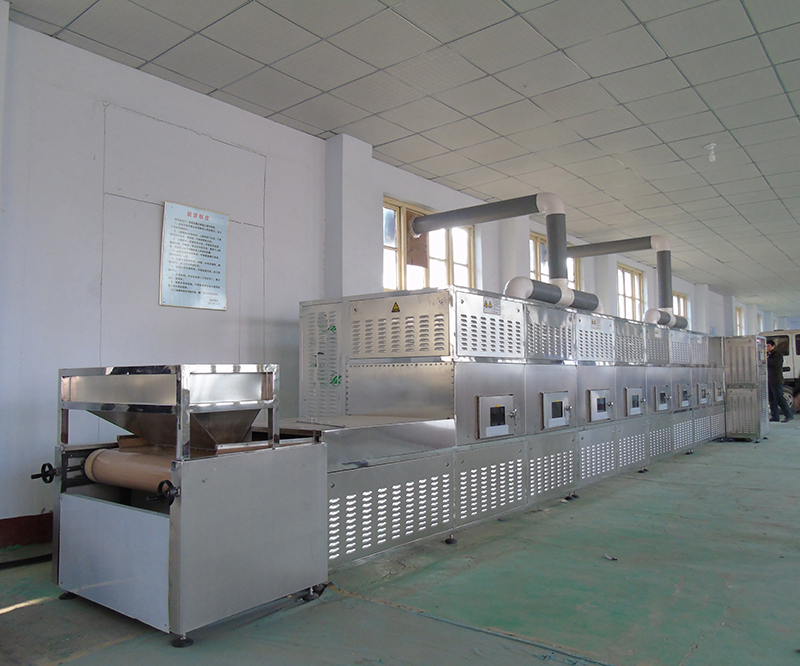
Microwave Drying: Fast drying, but high capital investment and difficulty achieving uniform results; not yet widely adopted for feed‑grade products.
-
Vacuum Drying: Lower processing temperature, but limited batch capacity; mostly used for small‑scale, high‑value products.
3. Physicochemical and Nutritional Characteristics
3.1 Basic Nutritional Profile (Hot Air Dried Reference)
| Parameter | Typical Range |
|---|---|
| Crude Protein (N×6.25) | 45% – 52% |
| Crude Fat | 20% – 28% |
| Crude Fiber | 5% – 8% |
| Moisture | ≤ 8% (Premium ≤ 6%) |
| Ash | 3% – 6% |
3.2 Amino Acid Composition (High‑Value Feature)
Dried mealworms contain all essential amino acids, with particularly high levels of lysine, methionine, and threonine — effectively compensating for deficiencies in cereal‑based feeds. They are also rich in branched‑chain amino acids (leucine, isoleucine, valine), which support muscle growth and immune function in animals.
3.3 Fatty Acid Profile
The fat fraction is rich in unsaturated fatty acids, with linoleic acid (C18:2n‑6) accounting for 30–40% of total fatty acids. This profile improves skin and coat health in pets and enhances stress resistance in aquatic animals.
3.4 Anti‑Nutritional Factors and Safety
Compared to soybean meal, dried mealworms contain virtually no trypsin inhibitors, lectins, or other anti‑nutritional factors. Proper inactivation and drying effectively eliminate pathogenic microbes (including Salmonella and E. coli) and significantly reduce chitin levels (chitin content can be further adjusted for sensitive applications). Reputable manufacturers routinely test for heavy metals (lead, cadmium, mercury, arsenic), pesticide residues, and mycotoxins to ensure compliance with feed and pet food regulations.
4. Critical Quality Control Points in Production
To guarantee consistent, safe, and traceable dried mealworms, manufacturers must implement strict controls at each stage:
-
Raw Material Inspection: Live mealworms must come from standardized farms, with uniform age, no sick or dead insects, and minimal frass or debris.
-
Cleaning and Inactivation: Thorough washing followed by steam or hot water blanching to kill microbes and deactivate endogenous enzymes.
-
Drying Temperature and Time: Excessive heat denatures protein and causes excessive Maillard reaction (dark color, amino acid loss); insufficient heat leaves moisture, inviting mold. Precise drying curves must be established based on insect size and equipment.
-
On‑line Moisture Monitoring: Exit moisture should be ≤8%, rechecked before packaging.
-
Metal Detection and Magnetic Separation: Remove any ferrous or stainless steel fragments.
-
Packaging and Storage: Use aluminum foil laminate or high‑barrier bags, with oxygen absorbers or nitrogen flushing. Store in a cool, dark warehouse, away from direct sunlight.
5. Technical Advantages by Application
5.1 Livestock and Poultry Feed
-
Fishmeal Replacement: Dried mealworms can replace 30–50% of imported fishmeal in diets for laying hens, broilers, and pigs without compromising performance, at a more competitive cost.
-
Immune Support: Antimicrobial peptides and chitin derivatives (e.g., chitosan) in mealworms provide immunomodulatory effects, reducing the need for antibiotics.
5.2 Aquaculture Feed
-
High Palatability: Natural free amino acids and nucleotides in dried mealworms act as potent feeding attractants for fish and shrimp.
-
Improved Flesh Quality: Moderate inclusion enhances color, firmness, and oxidative stability of lipids in farmed aquatic species.
5.3 Pet Food
-
Hypoallergenic Protein: Compared to common allergens like chicken or beef, insect protein is a novel protein source, well tolerated by dogs and cats with food sensitivities.
-
Dental Health: The moderate hardness and chitin structure help reduce plaque and provide a chewing benefit.
5.4 Specialty and Wildlife Feeding
-
Natural Feeding Behavior: Reptiles, birds, hedgehogs, hamsters and other small animals are natural insectivores; the appearance and aroma of dried mealworms align with their innate foraging instincts.
-
Easy Storage and Feeding: Unlike live insects, dried products require no maintenance, are always ready to use, and pose no escape risk.
6. Comparison with Other Protein Ingredients
| Ingredient | Crude Protein | Crude Fat | Anti‑Nutritional Factors | Sustainability | Palatability |
|---|---|---|---|---|---|
| Dried Mealworms | 45–52% | 20–28% | Very low | High (low carbon, low water) | Excellent |
| Fishmeal (imported) | 62–68% | 8–12% | Low | Poor (overfishing) | Excellent |
| Soybean Meal | 44–48% | 1–2% | High (trypsin inhibitors, etc.) | Moderate | Fair |
| Meat and Bone Meal | 45–50% | 10–14% | Low | Moderate | Moderate |
While fishmeal has higher crude protein, it is expensive and unsustainable. Soybean meal is lower in cost but contains anti‑nutritional factors and lacks certain essential amino acids. Dried mealworms strike an excellent balance between sustainability and nutritional completeness.
7. Key Technical Specifications to Request from Suppliers
As a business buyer, ask your supplier for the following technical documents and verify critical parameters:
-
Product specification sheet (guaranteed values for crude protein, fat, fiber, moisture, ash)
-
Amino acid profile report (at least lysine, methionine, threonine, tryptophan)
-
Heavy metals and microbiological test report (GB or AOAC methods)
-
Process flow diagram with critical control points
-
Shelf‑life stability data (accelerated aging test results)
8. Final Thoughts
Dried mealworms are far more than a simple dried insect product — they represent the integration of industrial insect protein technology: from breeding and standardized farming to precision drying and rigorous quality control, all aimed at delivering a stable, safe, and efficient novel protein solution. As a manufacturer dedicated to the R&D and production of dried mealworms, we continuously refine our process parameters and strictly follow quality management systems. We are committed to providing the feed, pet food, and aquaculture industries with truly traceable, sustainable insect protein ingredients. We welcome the opportunity to discuss technical details with your team and work together to advance the application of insect protein.
