

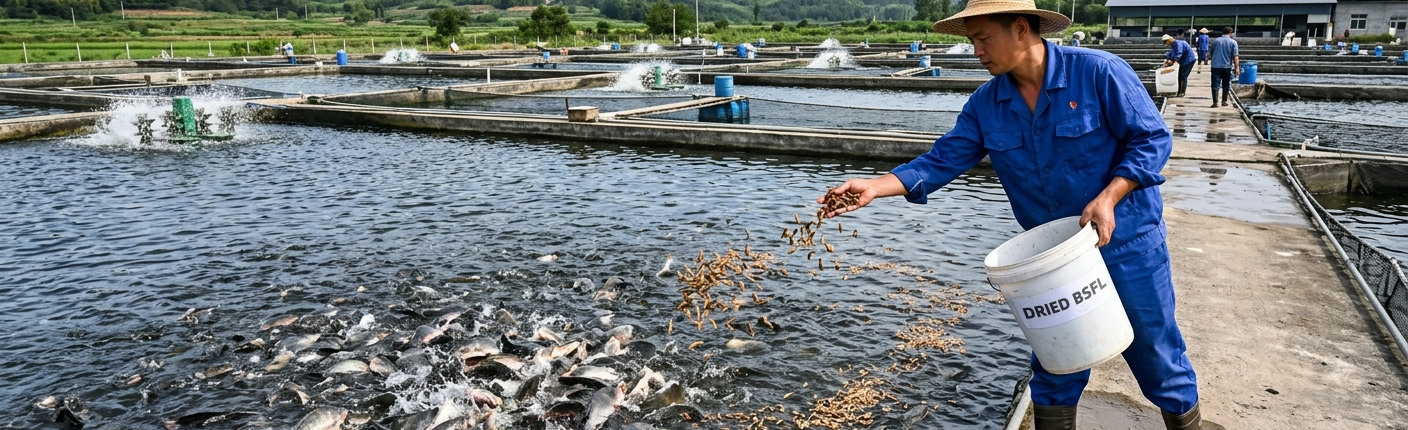
Farm‑to‑Bag Insect Protein
We possess ISO22000, FDA, HACCP, and GMP+ certifications, and our products can be customized according to your needs.
🌱 ESG-Driven Sustainability
Our BSF protein uses 90% less water and generates 75% lower carbon emissions per ton of protein compared to soybean meal. By choosing us, you actively reduce your Scope 3 emissions and strengthen your ESG reporting—a critical factor for US public food companies and feed manufacturers.
✅ AAFCO-Compliant
Fully approved under the AAFCO Official Publication (2024) for use in dog food, poultry, swine, and aquaculture feeds in the United States. This means zero regulatory uncertainty—your formulations are ready for the US market.
🔬 100% Traceable Transparency
Every batch ships with a complete Certificate of Analysis (COA) , including heavy metal screening, lauric acid content verification, and pathogen-free certification. Total ingredient transparency that US buyers and auditors demand.
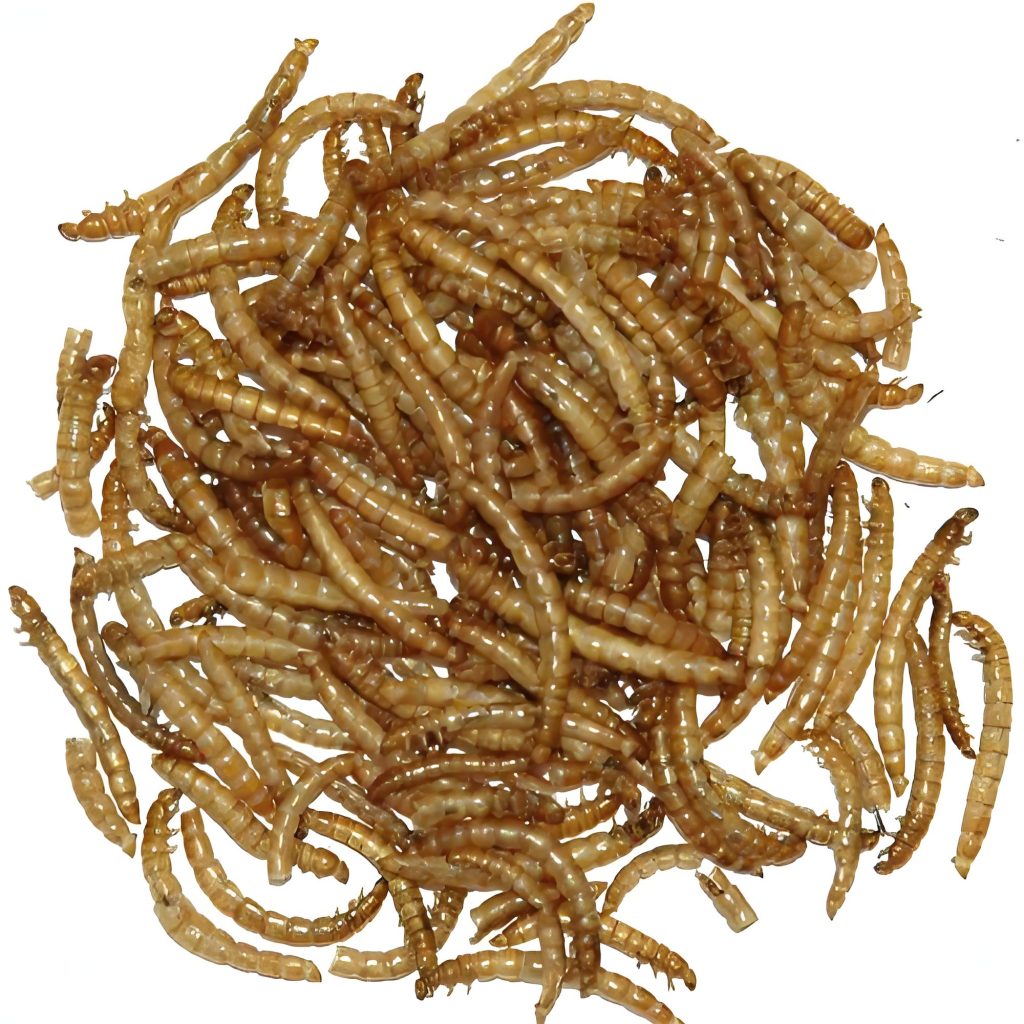
Premium Dried Mealworms – High-Protein Feed Ingredient for Pet Food, Poultry & Aquaculture
Sourced from Tenebrio molitor larvae and processed through advanced drying technology, our dried mealworms deliver 50–55% crude protein with a digestibility rate exceeding 90%. A sustainable, cost-effective alternative to fish meal and soybean meal, they are ideal for pet food formulations, poultry diets, aquaculture feed, and wild bird supplements. FDA-compliant production with bulk wholesale pricing and flexible OEM packaging available. Learn how our mealworms can optimize your feed formulation →
More information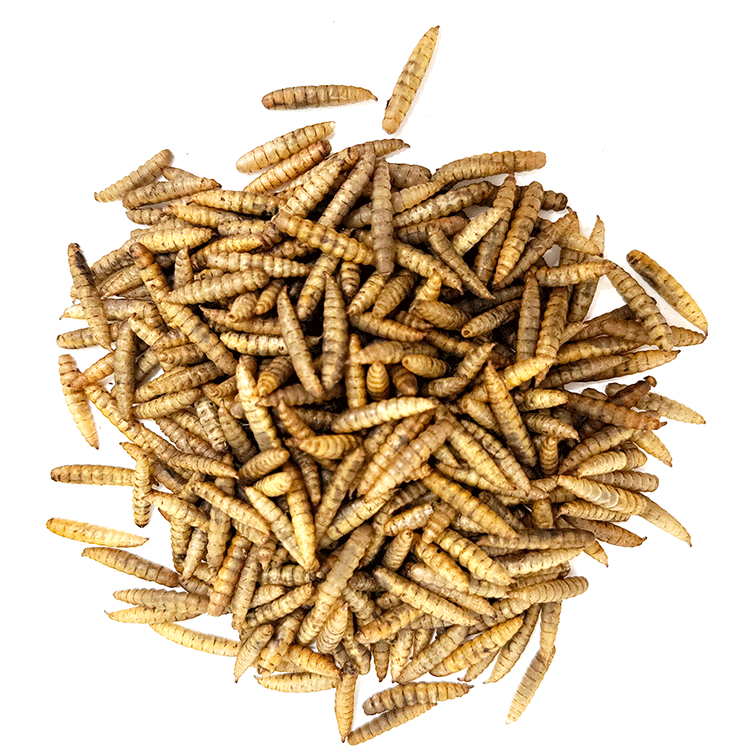
Premium Dried Black Soldier Fly Larvae – High-Calcium, Functional Feed Ingredient for Aquaculture, Poultry & Reptiles
Our dried BSF larvae (Hermetia illucens) deliver a game-changing nutritional profile: 42–45% crude protein, 30–35% crude fat, and an industry-leading 6–8% calcium content—25 times higher than standard mealworms. Naturally rich in lauric acid (medium-chain fatty acids) with proven antimicrobial properties, they serve as a superior functional ingredient for layer hen eggshell quality, juvenile fish growth, and reptile bone health. An AAFCO-approved protein source that reduces reliance on fishmeal and limestone supplements. Unlock the power of insect-based functional nutrition →
More information
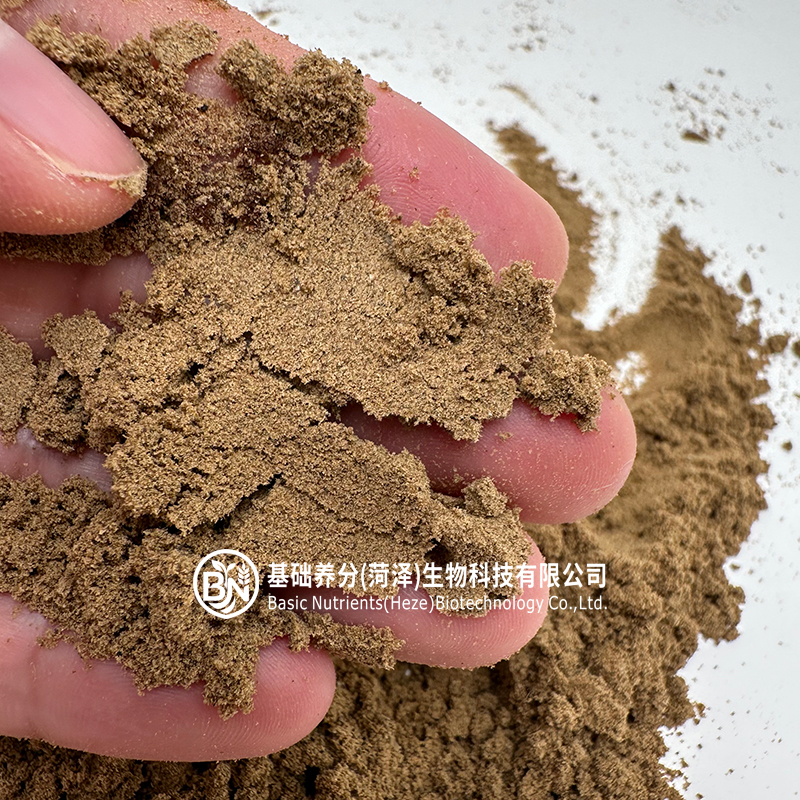
Distillers’ Grains-Fed Defatted BSFL Meal – Ultra-High Protein Concentrate for Aquafeed, Poultry & Premium Pet Food
Our defatted Black Soldier Fly larvae meal is not just another insect protein—it’s raised on distillers’ grains (a premium fermented byproduct of the beverage industry), then precision-defatted to concentrate crude protein to 47%+ with fat content below 5%. The result: a clean, functional protein ingredient with a unique amino acid and fatty acid profile shaped by the grain-based substrate—ideal for replacing fishmeal in aquaculture, boosting layer hen performance, and formulating premium pet foods. AAFCO-compliant and ready for US import. Discover the grain-fed difference →
More information
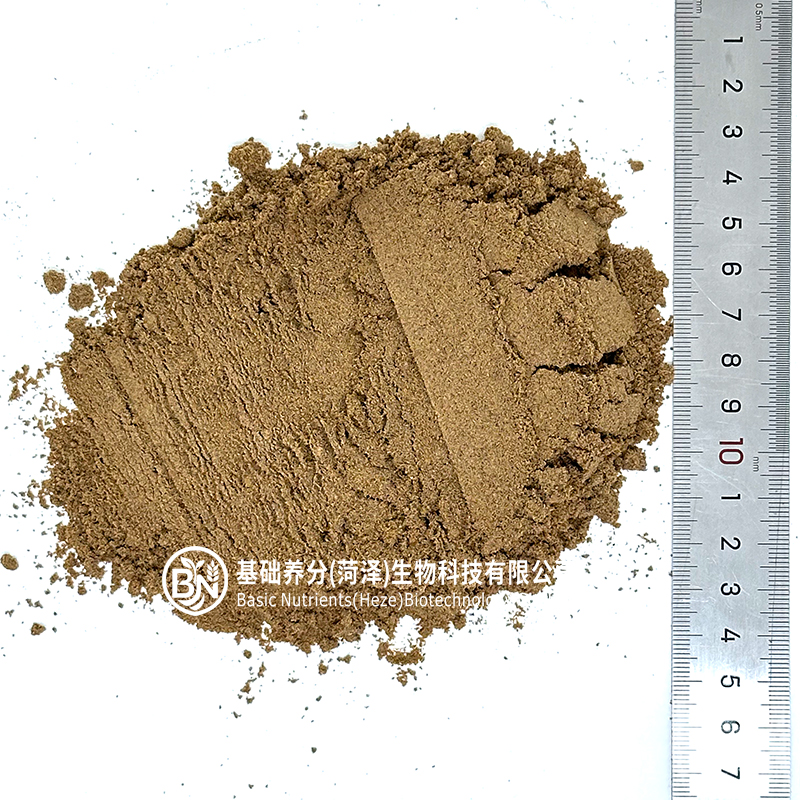
Food Waste-Fed Defatted BSFL Meal – Premium Protein Concentrate with Verified Safety & Circular Economy Credentials
Our defatted Black Soldier Fly larvae meal is raised exclusively on pre-consumer food waste—transforming a municipal liability into a high-performance protein ingredient. Scientific analysis confirms: 54.4% crude protein (higher than soybean meal, comparable to fishmeal), heavy metal content within FDA feed safety limits, and a complete amino acid profile matching conventional protein sources. The defatting process concentrates protein while preserving lauric acid and bioactive compounds. AAFCO-compliant, traceable, and ready for US import. Turn food waste into feed performance →
More information
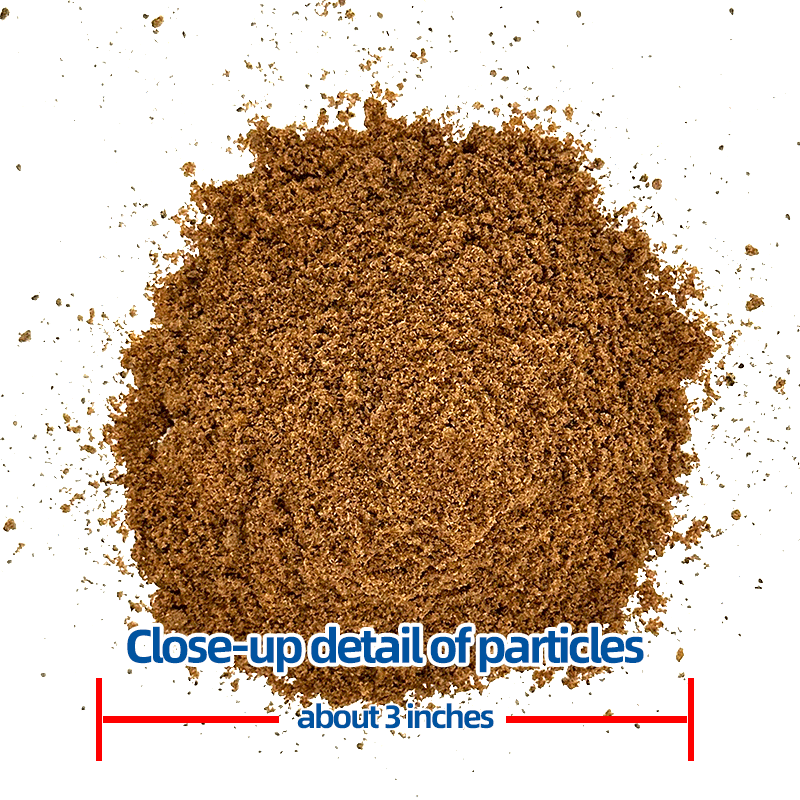
Defatted Yellow Mealworm (Tenebrio molitor) Meal – Ultra-High Protein Concentrate with AAFCO Approval for US Pet Food
Our defatted mealworm meal is produced from premium Tenebrio molitor larvae through a precision low-temperature defatting process that concentrates crude protein to 65–70% —surpassing fishmeal and soybean meal in protein density. With 85%+ digestibility, a complete amino acid profile containing 17 amino acids, and naturally occurring chitin with prebiotic properties, it serves as a drop-in replacement for fishmeal in aquaculture, poultry, and swine diets. AAFCO-approved for use in US dog food—the first insect protein to receive this landmark authorization. FDA-compliant, GMP+ certified, and available in bulk wholesale. Upgrade your protein formulation with the gold standard of insect protein →
More information
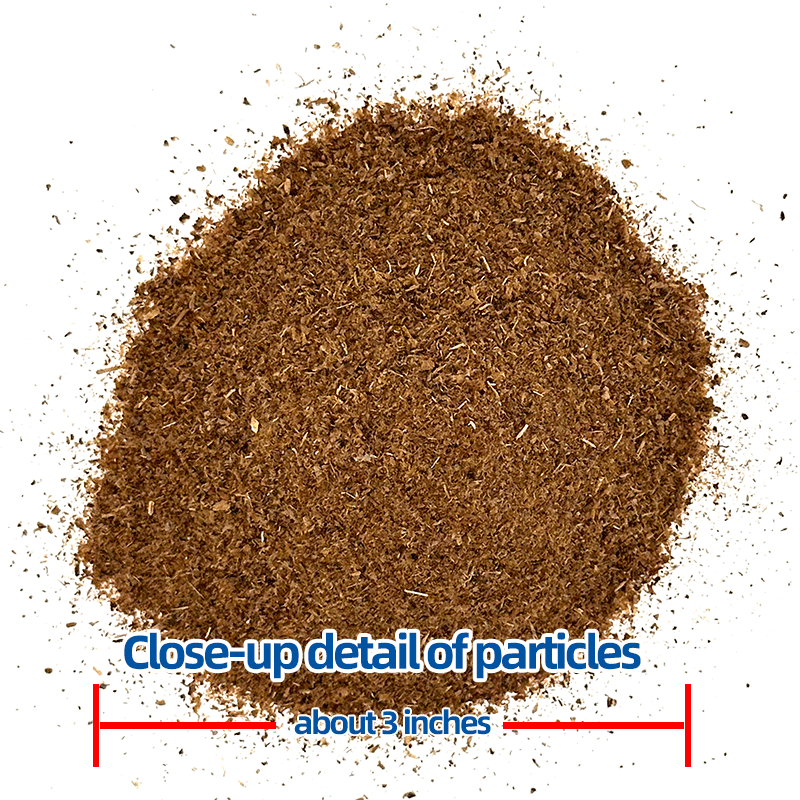
Premium Grasshopper (Locust) Meal – Ultra-High Protein Ingredient with 65%+ Crude Protein & Superior Amino Acid Profile
Our grasshopper meal is produced from farm-raised Acrididae species, precision-dried and milled to deliver a protein powerhouse: 65.4% crude protein on dry matter basis—comparable to premium fishmeal. With 18 amino acids, amino acid digestibility of 0.95–0.97 for key essential amino acids, and a polyunsaturated fatty acid (PUFA) content of up to 67.4%, our grasshopper meal serves as a drop-in replacement for fishmeal in poultry, aquaculture, and pet food formulations. Naturally hypoallergenic when wings, legs, and antennae are removed, with zero anti-nutritional factors. FDA-compliant, fully traceable, and available in bulk wholesale. Discover the protein density of nature’s most efficient converter →
More information
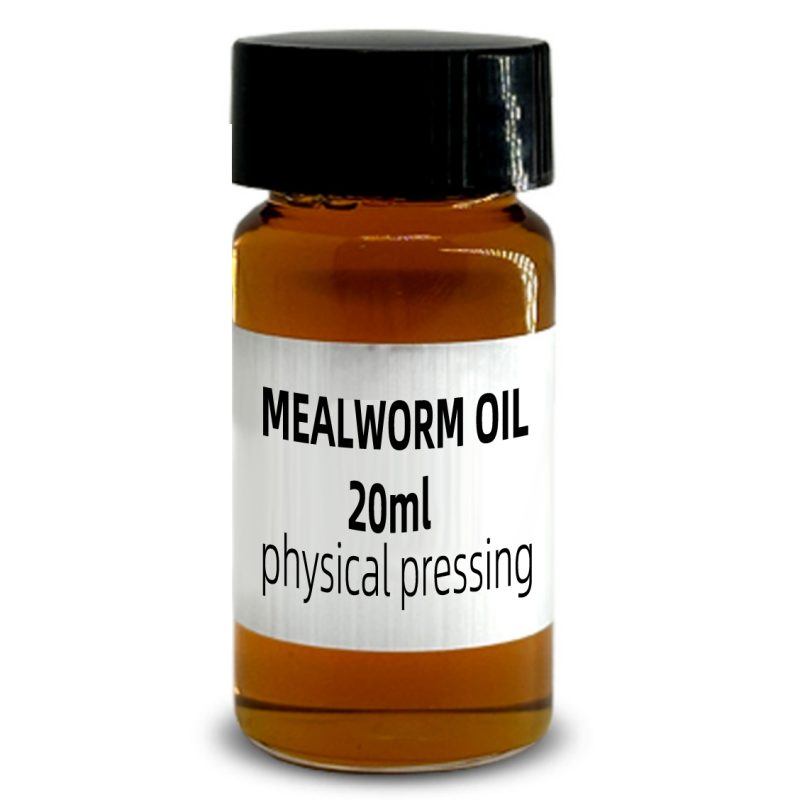
Premium Yellow Mealworm (Tenebrio molitor) Oil – Liquid Gold with 74%+ Unsaturated Fatty Acids for Poultry, Aquaculture & Pet Food
Our mealworm oil is cold-pressed from farm-raised Tenebrio molitor larvae, delivering a naturally occurring lipid powerhouse: 74.15% unsaturated fatty acids, dominated by oleic acid (36.8%) and linoleic acid (32.4%). With a Health Promoting Index of 2.42—10-fold higher than common animal fats—our oil serves as a drop-in replacement for soybean oil and fish oil in poultry, aquaculture, swine, and pet food formulations. Rich in γ-tocopherol (natural vitamin E), carotenoids, and phenolic compounds. FDA-compliant, GMP+ certified, and available in bulk wholesale. Upgrade your lipid formulation with insect-derived functional oil →
More information
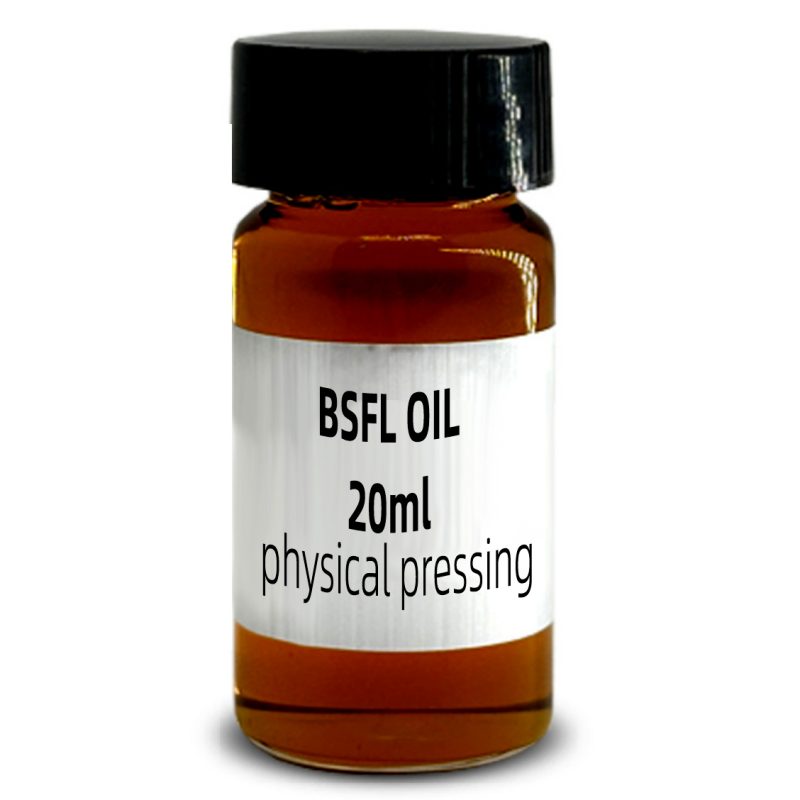
Premium Black Soldier Fly (Hermetia illucens) Larvae Oil – Nature’s Richest Source of Lauric Acid with Proven Antimicrobial Power
Our black soldier fly larvae oil is cold-pressed from farm-raised Hermetia illucens larvae, delivering a functional lipid powerhouse: 28–46% lauric acid (C12:0) —a medium-chain saturated fatty acid with scientifically proven antibacterial, antiviral, and immune-enhancing properties. With saturated fatty acids accounting for 47–58% of total fatty acids and a balanced n-6 to n-3 ratio of 11.6:1, our oil serves as a drop-in replacement for soybean oil and fish oil in poultry, aquaculture, swine, and pet food formulations. Rich in natural antioxidants and medium-chain triglycerides (MCTs). FDA-compliant, GMP+ certified, and available in bulk wholesale. Unlock the antimicrobial power of insect-derived functional oil →
More information